Key Takeaways
- Different storage space types suit different belongings, access needs, storage periods, and budgets, so the cheapest or largest unit isn’t automatically the right choice.
- Standard self-storage works well for many everyday household belongings that do not require controlled conditions.
- Air-conditioned or climate-controlled storage may be more appropriate for belongings that can be affected by heat or humidity.
- Businesses may benefit from storage or co-production spaces that accommodate inventory, equipment, and operational activities.
- Before choosing a unit, consider what you are storing, how much room you need, how often you need access, and whether your belongings require particular storage conditions.
Introduction
Extra storage can solve several practical problems, from clearing space during a home renovation to keeping growing business inventory organised. However, storage is not a one-size-fits-all service. A few boxes of seasonal belongings have very different requirements from electronics, commercial stock, or bulky equipment.
Understanding the main types of storage space helps you choose what you actually need, rather than renting whatever space is available. Size matters, but so do storage conditions, accessibility, security, rental duration, and the way you intend to use the unit.
Here are five common options and when each makes sense.
1. Standard Storage Units for Everyday Belongings
Standard self-storage is one of the most versatile choices for household belongings that do not require specialised environmental conditions. You might use a unit while moving or renovating, decluttering your home, or storing furniture and seasonal items you still want but don’t use regularly.
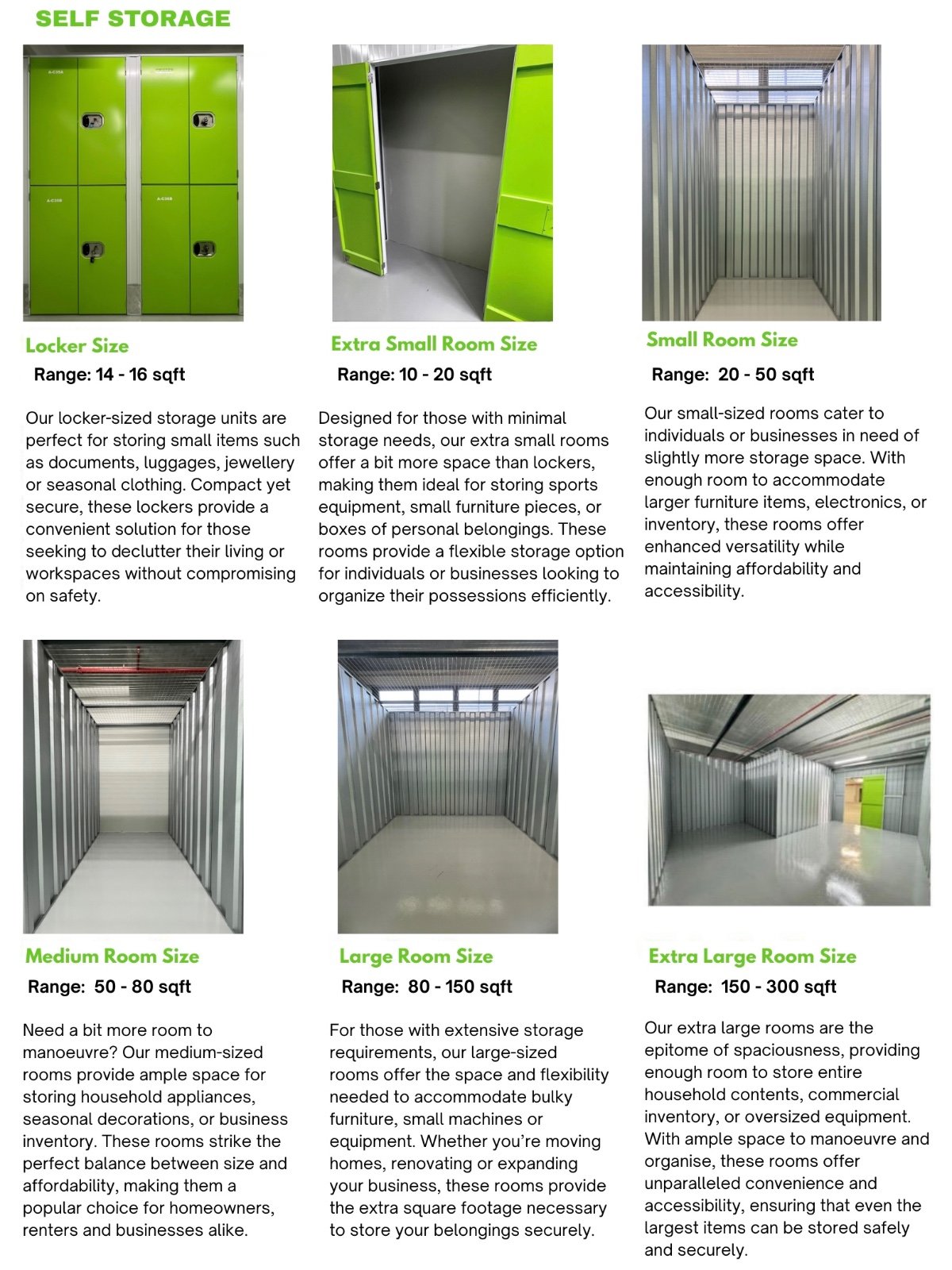
When considering different types of storage units, start by making an inventory. Measure bulky furniture and estimate how many boxes you have, rather than choosing a unit based on appearance alone. SpaceHub, for example, offers self-storage options ranging from compact lockers and small rooms to much larger spaces, so you can match the size more closely to your needs.
You should also consider price alongside size and features. Looking at the available affordable storage space options can help you assess whether you are paying for useful capacity rather than unnecessary empty floor area.
2. Climate-Controlled or Air-Conditioned Storage for Sensitive Items
Singapore’s warm, humid environment makes storage conditions especially important for belongings that can be affected by prolonged exposure to heat or moisture. Paper documents and photographs may absorb moisture, causing them to curl or warp, while damp conditions can also encourage mould growth on materials such as paper, fabric, and wood. Fabrics can develop musty odours in damp conditions, and electronics may also need more care if stored for a longer period.
The question of climate-controlled vs regular storage should therefore depend on what you are storing and how sensitive those belongings are. Durable household items may suit regular storage, while documents, electronics, photographs, or other moisture-sensitive belongings may benefit from more stable conditions.
SpaceHub offers different storage options, including air-conditioned units. If you are considering an air-conditioned storage space, check the facility’s actual conditions against your belongings’ requirements. Particularly delicate or specialist items, such as temperature-sensitive collections, may require storage conditions beyond those provided by a general air-conditioned unit.
3. Business and Commercial Storage for Growing Operations
A growing business can quickly run short of space when cartons, tools, supplies, documents, or inventory begin occupying areas intended for everyday work. Commercial storage offers an alternative to moving into a much larger office or warehouse right away.
The right business storage options depend heavily on your workflow. An e-commerce seller that dispatches orders regularly may prioritise easy stock access and loading arrangements, while a trades business may need enough room to move equipment in and out without disrupting other operations.
SpaceHub’s co-production spaces combine dedicated space with areas that can support stock handling, packing, equipment organisation, and other operational activities. Available configurations include roller shutters, windows, and selected private facilities. Roller shutters can make moving cartons, equipment, or other bulky items easier, while suitable working facilities may help businesses that need to carry out operational tasks alongside storage.
Businesses that need room for both stock and day-to-day activities can therefore consider dedicated storage space for business rather than treating workspace and storage as completely separate requirements.
4. Shared or Co-Storage for Smaller Requirements
Not everyone needs a large private room. Students, individuals between homes, or people storing only a limited quantity of belongings may find smaller or shared arrangements more economical.
Shared storage can reduce the amount of unused space you pay for, but you should understand how the arrangement works before committing. Check whether your belongings are physically separated from other users’ belongings, how boxes or items are labelled, whether you can access them independently, and what process applies when you want to retrieve something. It is also worth confirming who is responsible for keeping the shared area organised and what happens if an item is misplaced or damaged.
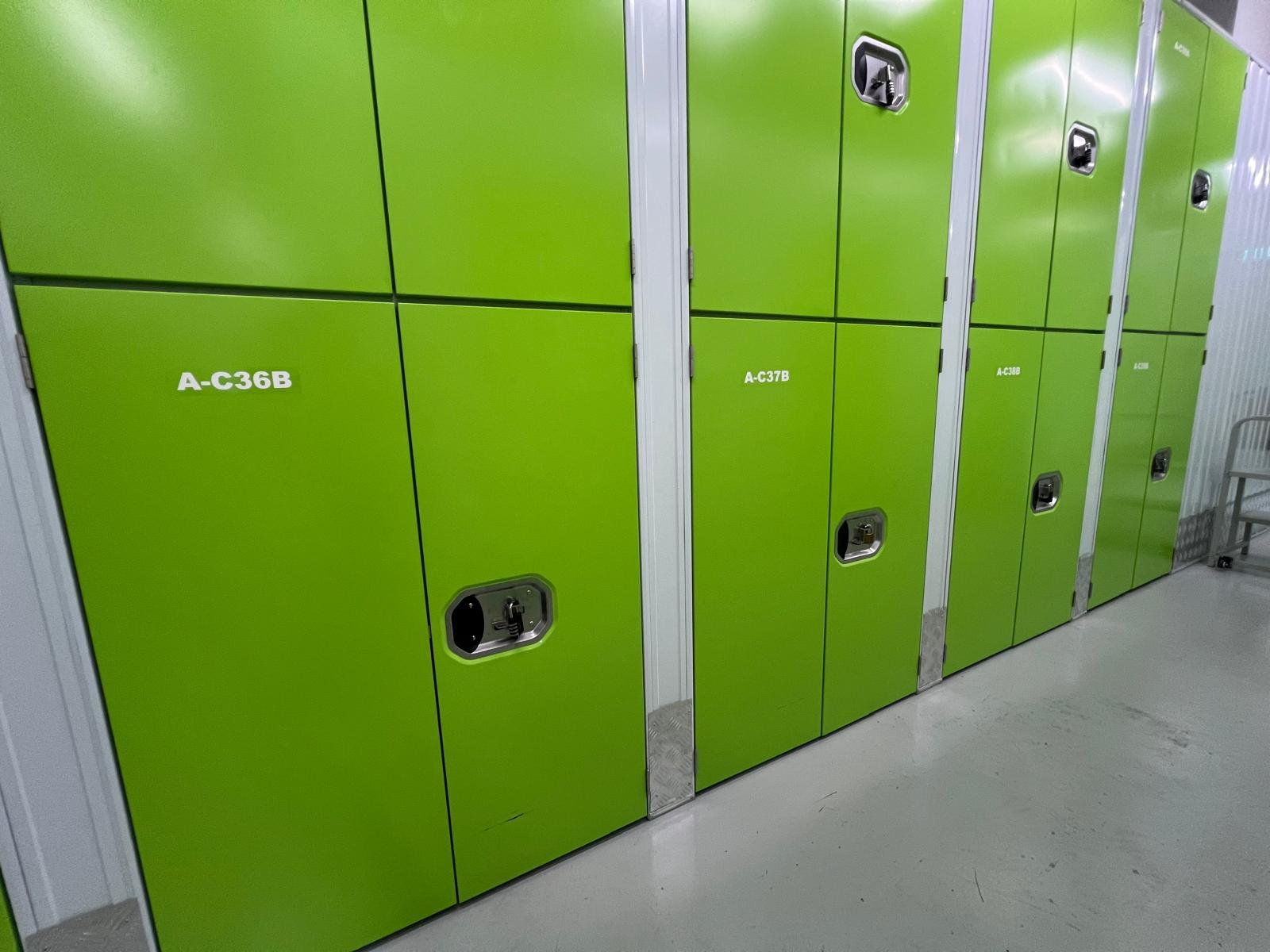
For people who want their own defined space but have relatively little to store, a compact locker or extra-small private unit can provide another solution. This can offer clearer separation and control without requiring you to rent a much larger room than you actually need.
5. Specialised Storage for Unusual or Bulky Items
Some belongings fall outside ordinary self-storage requirements. Vehicles, oversized equipment, specialist commercial materials, or valuable collections may need particular dimensions, environmental conditions, loading arrangements, or security provisions.
Before choosing specialised storage, measure more than the item itself. Check the width and height of doors, corridors, lifts, and other access points to make sure the item can actually reach the unit. For especially heavy equipment, ask whether there are relevant floor loading limits and whether suitable ramp or loading-bay access is available.
You should also confirm whether the facility permits the item, whether it must be kept in a private unit, and whether additional insurance or storage conditions apply. Certain hazardous, perishable, illegal, or otherwise restricted materials may not be accepted at all, so checking the facility’s rules before transporting unusual goods can prevent problems on moving day.
When choosing between storage space types, consider how easily you can move your belongings into and out of the unit, not just whether there is enough room inside. A unit may look spacious enough on paper, but it may not be practical if the entrance is too narrow for bulky equipment, access is difficult, or the facility doesn’t allow the item you want to store.
How Do You Choose the Right Storage Space?
Start with the belongings themselves. Consider their quantity, dimensions, sensitivity to environmental conditions, value, and how frequently you expect to retrieve them. From there, assess unit size, storage conditions, security, loading access, rental flexibility, and total cost.
Access is especially important if you move furniture or commercial stock regularly. At SpaceHub’s Polaris @ Woodlands facility, ramp-up access facilitates loading and unloading up to Level 7 loading bays. Its security system also includes facial recognition technology, providing controlled access for customers storing personal belongings or business inventory.
The best choice among the available types of storage space is ultimately the one that fits both your belongings and the way you intend to use the space. Paying for features you do not need can increase your costs, while choosing too little protection or inconvenient access can create problems later.
Choose Storage Around What You Actually Need
No single storage format works equally well for a few household boxes, sensitive belongings, business inventory, and oversized equipment. Comparing the types of storage space by size, conditions, accessibility, intended use, and cost can help you narrow down an option that fits both your belongings and your routine.
Once you know whether you need extra space, better storage conditions, easier loading access, or room for business operations, you can choose a facility that fits those requirements. At SpaceHub’s Polaris @ Woodlands facility, personal self-storage and co-production options accommodate different household and business needs. Contact SpaceHub to discuss what you plan to store and which combination of space, access, and storage conditions is appropriate for your needs.