Key Takeaways
- Preventing damage starts before your belongings enter storage, with suitable boxes, protective wrapping, and careful preparation for different materials.
- Moisture and temperature changes can affect paper, fabrics, electronics, wooden furniture, and other sensitive belongings, so storage conditions matter.
- Keep heavy boxes at the bottom of a stack, and place fragile, lightweight items where they won’t be crushed.
- Sealed containers, clean belongings, and regular inspections can reduce problems caused by dust, moisture, and pests.
- At SpaceHub’s Polaris @ Woodlands facility, ramp-up access lets you drive directly to loading bays up to Level 7, making it easier to move bulky belongings and business inventory, while facial recognition technology adds an additional layer of access security.
Introduction
Putting belongings into storage may create more room at home or help a business manage inventory, but simply packing everything into boxes does not necessarily protect it. Poor packing, unstable stacking, moisture, dust, and unsuitable containers can gradually affect items while they are stored.
Preventing damage therefore begins with considering what you are storing and what each item needs. A wooden table requires different preparation from business documents, while glassware needs different protection from clothing. Following sensible, safe storage practices can help household belongings, business stock, furniture, and keepsakes stay protected throughout storage.
Choose Packing Materials That Suit What You Are Storing
Good protection begins with the container. Sturdy cardboard boxes suit many everyday belongings, while rigid plastic containers can help protect against dust or moisture. Avoid damaged boxes with weakened corners, soft bases, or torn seams, especially for heavier items.
Wrap fragile belongings such as glassware, ceramics, and decorative objects individually with bubble wrap or another cushioning material. Fill empty spaces inside the box so that items cannot move excessively during transport. Plates are generally safer packed vertically with cushioning between individual pieces rather than stacked flat under one another.
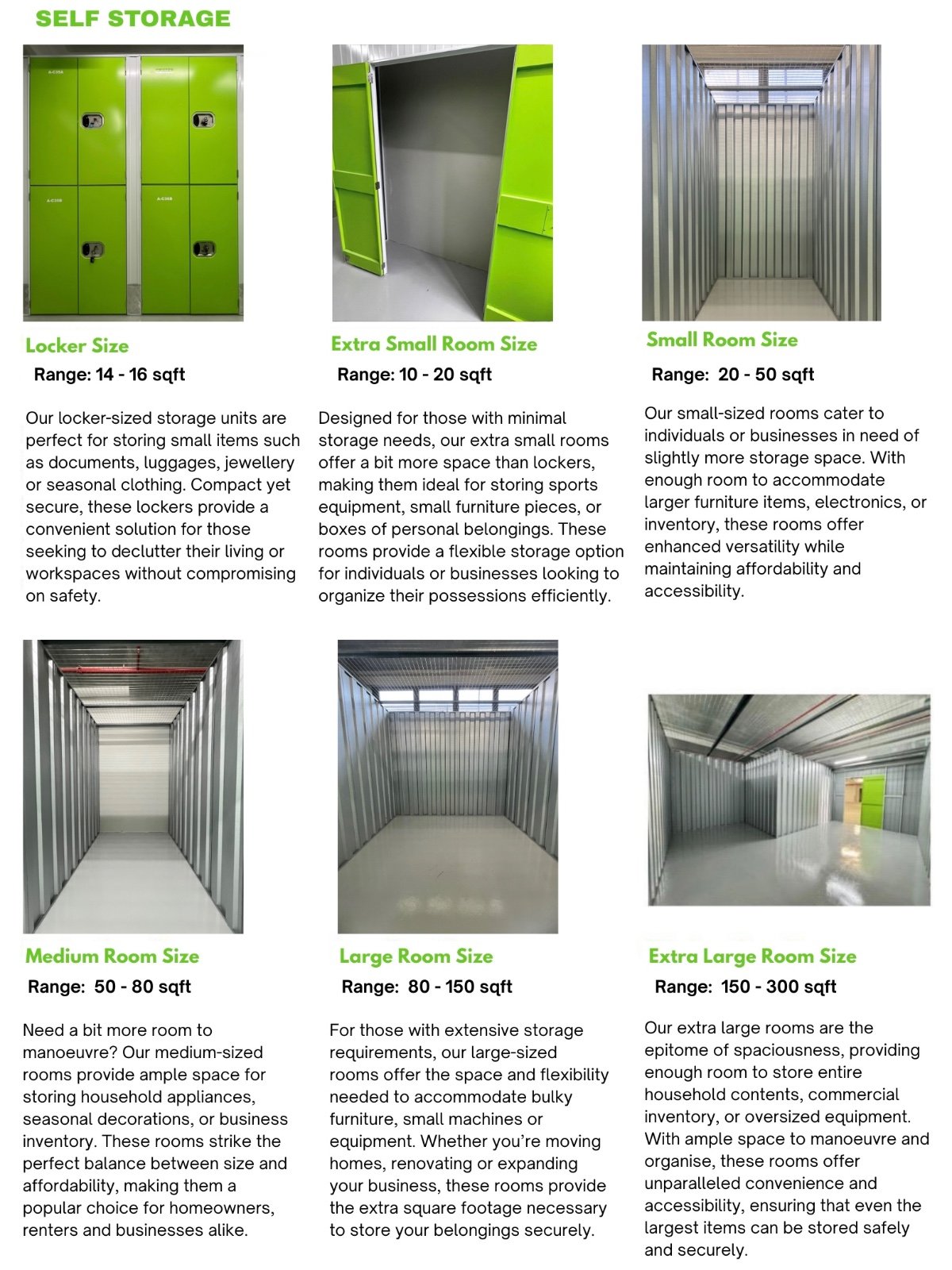
Avoid overfilling boxes. A box that is difficult to lift is also more likely to tear, collapse, or damage the items underneath. If you need additional storage space in Singapore for a move or decluttering project, preparing your belongings before moving day can make loading and organising the unit easier.
Consider Temperature and Moisture Before Storing Sensitive Items
Singapore’s warm, humid conditions make moisture an important consideration when storing certain belongings. Paper documents may curl or develop mould, fabrics can develop musty odours, and prolonged moisture exposure may affect wooden furniture, electronics, photographs, and other sensitive materials.
Different belongings respond differently to heat and humidity, which is where the climate-controlled storage benefits can become relevant. A more controlled environment may be worth considering for sensitive items, although not every possession necessarily requires the same storage conditions. What matters is assessing the materials involved and choosing an environment appropriate for what you intend to store.
Items should also be completely dry before packing. Storing damp clothing, fabric, or furniture inside a sealed container can trap moisture rather than protect the item. Where appropriate, moisture absorbers can provide extra protection, but they should not replace suitable storage conditions and proper preparation.
Stack and Position Your Belongings Carefully
Preventing damage also depends on what happens after your boxes reach the storage unit. Even well-packed belongings can be damaged if you stack boxes without considering their weight, strength, and contents.
Place strong, heavy boxes near the bottom and lighter or more fragile containers above them. Avoid stacking so high that the piles become unstable. Furniture should sit securely rather than being balanced against other belongings, while mirrors, framed artwork, and similarly fragile pieces need protective coverings and stable positioning.
Leave a practical pathway through the unit wherever space permits. This reduces the need to climb over belongings or move several heavy boxes whenever you need something stored towards the back.
Planning the layout is particularly useful when using storage units in Singapore for business inventory. Keep frequently used stock near the entrance, and store less-used items farther inside the unit.
Reduce Exposure to Pests and Dust
If you are wondering how to protect items in storage for several months, cleanliness and containment are important. Dust can settle into fabrics, furniture joints, electronics, and other exposed surfaces, while poorly sealed containers can leave belongings more vulnerable to pests.
Clean and dry items before packing them, seal boxes properly, and use fitted covers for larger pieces of furniture. Clothing, linen, important papers, and similar belongings may benefit from sealed containers suited to the material.
Avoid storing food, perishables, or other items that could attract pests or create odours. This also aligns with pest prevention guidance in Singapore, which emphasises removing potential food sources. If you are unsure about anything, check the storage facility’s prohibited-item policy before packing.
For longer storage periods, a secure storage space can give you greater control over facility access. At SpaceHub’s Polaris @ Woodlands facility, facial recognition technology is part of the security system, while ramp-up access lets vehicles reach loading bays up to Level 7 for easier loading and unloading.
Check Your Stored Belongings Periodically
Preventing damage continues after you move your belongings into storage, especially if they will remain there for an extended period. Periodic visits let you check boxes, coverings, furniture, and sensitive possessions.
Look for changes such as damaged packaging, unexpected moisture, unusual odours, dust accumulation, or shifting stacks. Early attention can prevent a small storage issue from affecting more belongings.
It also helps to maintain a simple inventory of what is inside the unit and where important items are positioned. Clear labels on the sides of boxes can make retrieval easier without repeatedly moving or opening containers.
Protect Your Belongings From Packing Day to Collection Day
Effective storage depends on more than finding an empty unit. Suitable packing materials, careful moisture management, stable stacking, sealed containers, and occasional checks all contribute to preventing damage while your possessions are away from home or the workplace.
At SpaceHub’s Polaris @ Woodlands facility, ramp-up access to loading bays up to Level 7 can simplify moving bulky furniture, boxes, or business inventory, while facial recognition technology adds another layer of access security. Choose a suitable space with SpaceHub for your short- or long-term storage needs and organise your belongings with easier loading and access in mind.